Sell Land To A Developer in Nevada: Step-by-Step Guide
Understanding Selling Land To A Developer in Nevada
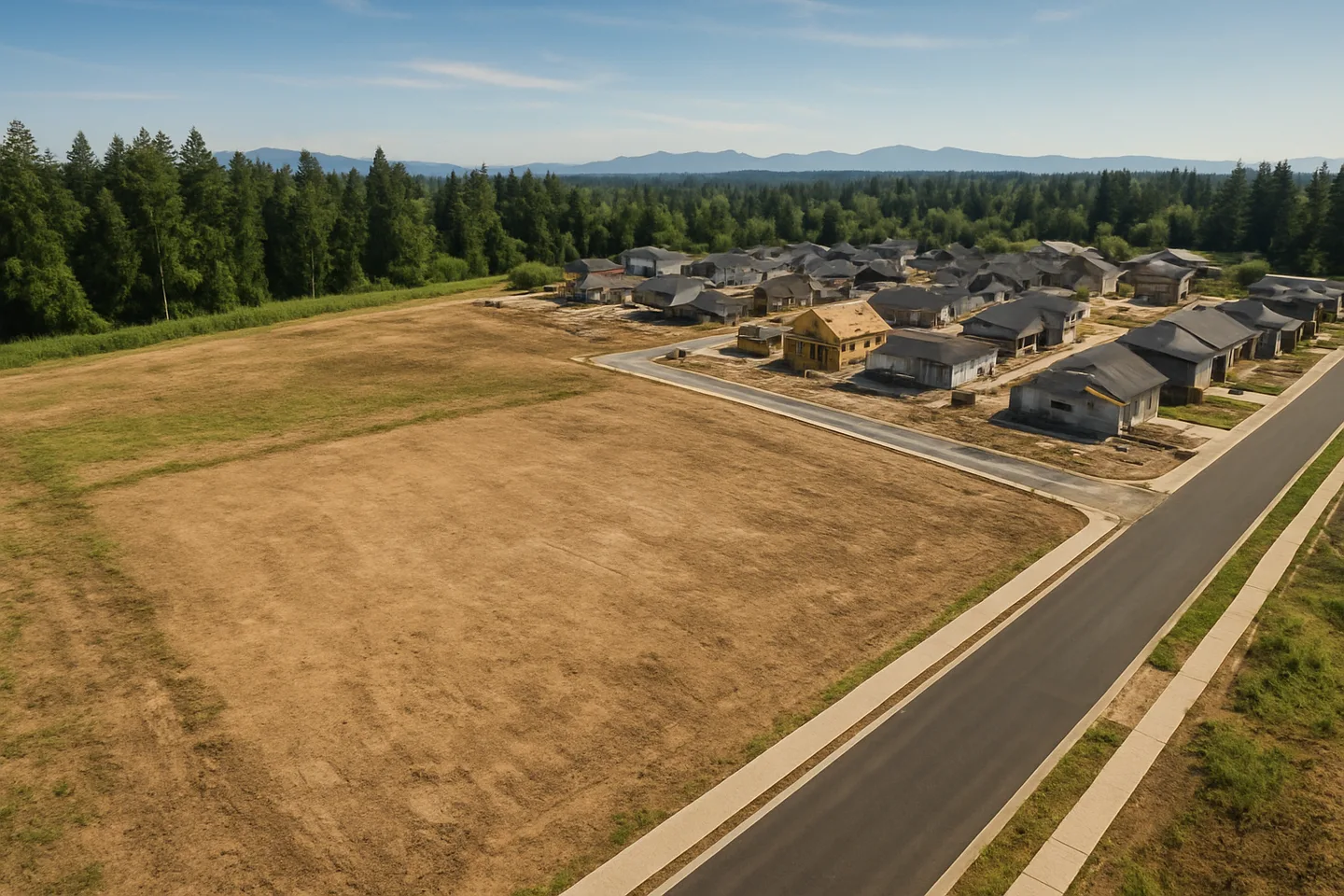
A developer will pay top dollar for land that fits a profitable project, so selling land to a real estate developer in Nevada usually means finding the buyer with the right expertise in development and the financing to close. Unlike a retail buyer who wants a vacant lot for personal use, a developer looks at raw land through the lens of highest and best use: what can this parcel become if the zone, utilities, and access line up?
If you want to sell your land to developers in Nevada, the strategy is different from listing with a broker. You need to understand zoning, entitlement, site planning, and what a developer needs from their geotechnical review. Nevada's hot real estate market has developers hunting for potential land around Las Vegas, Reno, and Carson City. Most developers do their own in-house feasibility work before making an offer, so landowners who come prepared with documentation and a realistic price get taken seriously faster.
Understanding Land To A Real Estate in Nevada
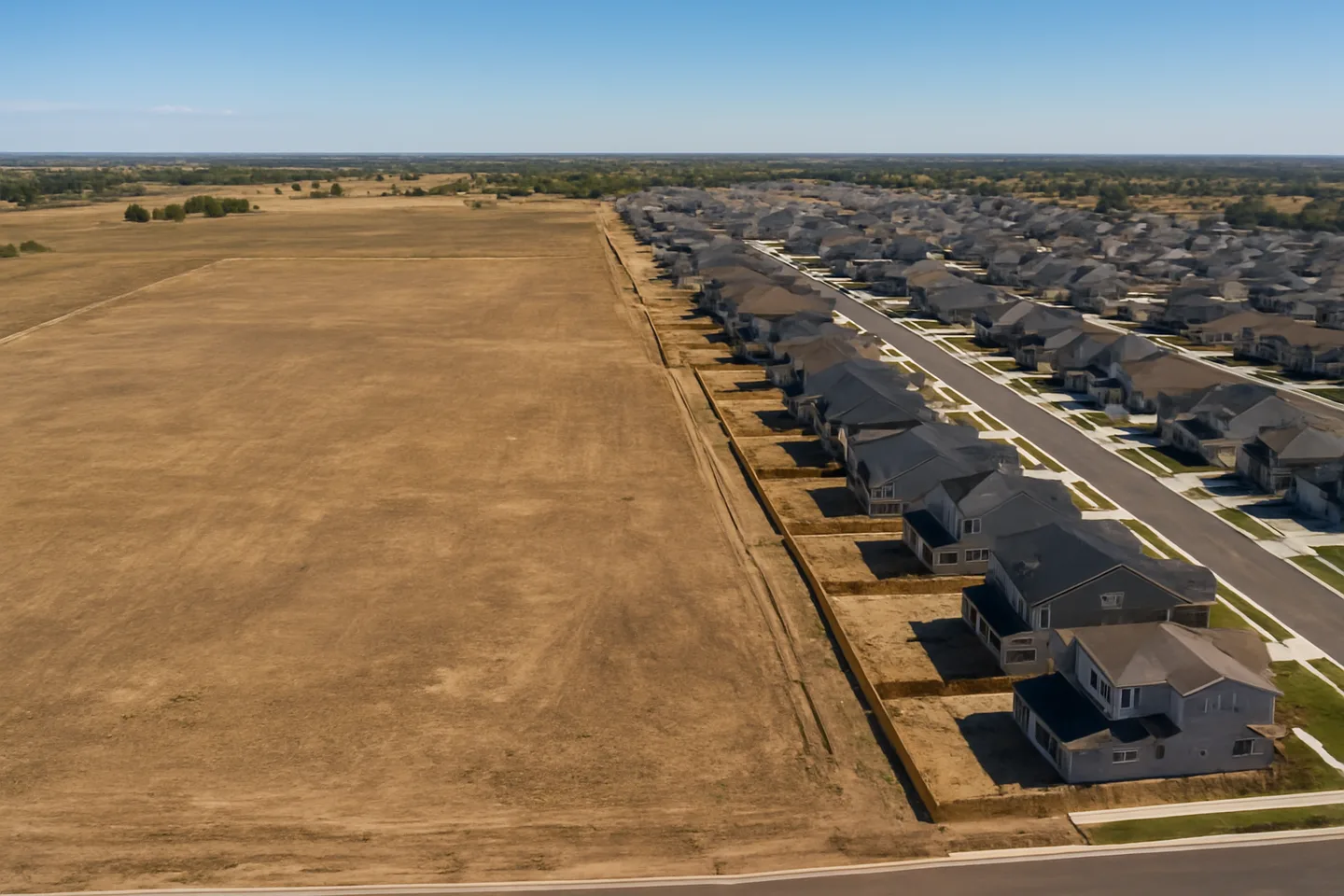
A developer is not like other land buyers. Residential buyers want to live there; investors want cheap land to hold; a developer wants to unlock property value by transforming raw acreage into finished real estate development. That changes what they pay and how they negotiate. A well-located Nevada parcel with utility accessibility and a favorable zone can fetch a much higher price from a developer than from any other buyer, but the road to closing takes longer.
In Nevada, land development is governed by local zoning regulations at the county and city level. Clark County's Title 30 and Washoe County's zoning code regulate allowed uses, lot sizes, setbacks, and density. Before a developer will even make an offer, they usually order a zoning verification letter from the planning department. They want to know the current zone, the type of development permitted, and whether a rezone might expand the parcel's land's appeal.
The developer's willingness to pay a better price hinges on how much of the heavy lifting has already been done. Pad-ready land with grading complete, utility accessibility confirmed, and easement issues resolved commands a premium. Raw land that still needs entitlement approval sells for less because the developer is taking on risk and carrying costs through a 12-to-36-month approval process. According to the Nevada Division of State Lands, entitlement for a subdivision or major development typically takes 12 to 36 months and includes a general plan amendment, zoning change, tentative map approval, final map recording, and permit approval.
Accessibility to water, sewer, and power lines is often the single biggest factor in a Nevada developer's offer. A land owner whose parcel is already served by utilities has a much stronger negotiating position than one facing expensive infrastructure extensions. Road accessibility matters too, especially for parcels outside incorporated city limits. Networking with local planners, engineers, and brokers helps you understand which developers are active in your submarket and what type of development they are chasing.
Current market conditions also drive price. In a strong economy, developers compete for buildable parcels and push prices to top dollar. In a soft market, they walk away from anything but the best deals. Understanding economic conditions before listing helps you time the sale right. If you are not in a hurry, waiting for the Nevada real estate market to improve can add tens of thousands to your final sale price.
Step-by-Step: How to Sell Land To A Developer in Nevada
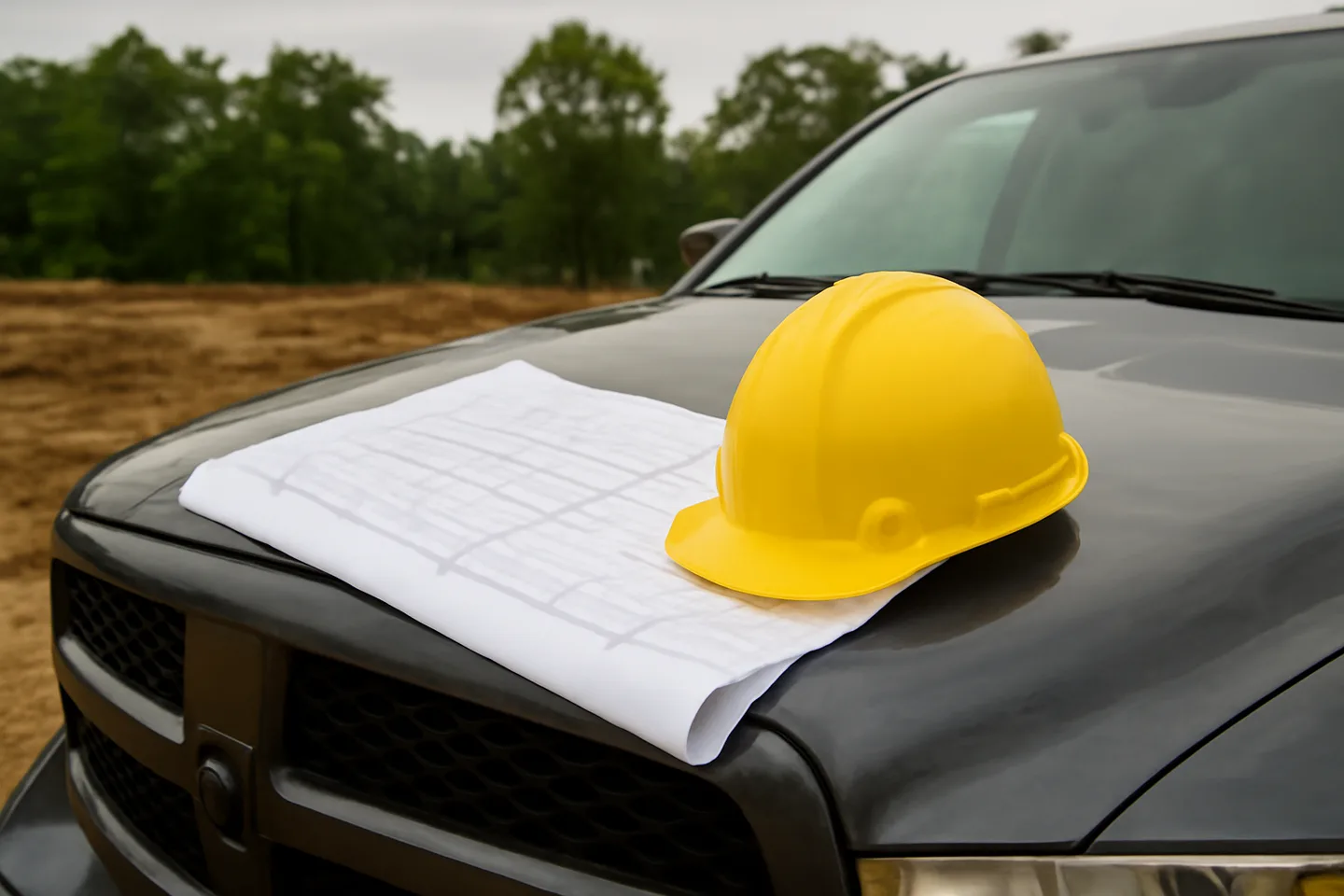
Here is the process landowners looking to sell to a Nevada developer should follow. Each step builds credibility with potential buyers and reduces the chance of a deal falling apart during due diligence.
Step 1: Gather complete parcel documentation. Pull your deed, parcel map, survey, title commitment, property tax records, zoning letter, and any utility will-serve letters. Organized documentation signals that you are serious and saves a landowner weeks during negotiation.
Step 2: Research your property's value. Look up recent comparable sales of similar properties in your area. A developer uses residual land value analysis rather than comp-based pricing, but you still need a defensible asking price. The Urban Land Institute notes that Nevada developers target land costs at 15% to 25% of total project value. If you know the likely retail value of the finished project, you can estimate what a developer can realistically pay.
Step 3: Understand the zone and entitlement status. Contact your county planning department and ask for a zoning verification letter. Note any pending rezoning applications. If your parcel sits in a mixed-use development overlay or a high-density zone, flag that in your listing, it will attract serious developer interest.
Step 4: Identify the right developers. Not every developer buys every parcel. Research who is active in your area. Residential builders want buildable lots near infrastructure. Commercial developers want highway frontage or a mixed-use development site. Industrial buyers want large flat parcels near rail or freeway. Look at recent deals in Clark County to see which developers are buying.
Step 5: Market directly to developer targets. Send a one-page offering memorandum (OM) to developers active in your submarket. Include parcel size, zoning, utilities, access, and asking price. Skip the usual Zillow approach, commercial developers rarely browse retail listings. Direct outreach or a land broker who specializes in development sites works better.
Step 6: Negotiate the contract. Expect multiple rounds of negotiation over price, contingencies, due diligence period, earnest money, and closing timeline. Most developer contracts include a 90-to-180-day due diligence window where they can back out if feasibility fails. Be prepared to navigate requests for extensions.
Step 7: Address any zoning issues and property taxes. Work with the developer's team during due diligence to answer questions about easements, setbacks, wetland delineations, and property tax assessments. Quick, complete answers keep the deal moving. Attempting to sell your land without complete documentation is a common reason deals collapse in escrow.
Step 8: Close through escrow. Deliver signed documents to a licensed Nevada escrow company. They handle title search, deed preparation, and recording with the county recorder. For commercial transactions, closing typically takes 30 to 120 days, not 2 weeks, because of the entitlement research involved.
What to Watch Out For When Selling Land To A Developer in Nevada
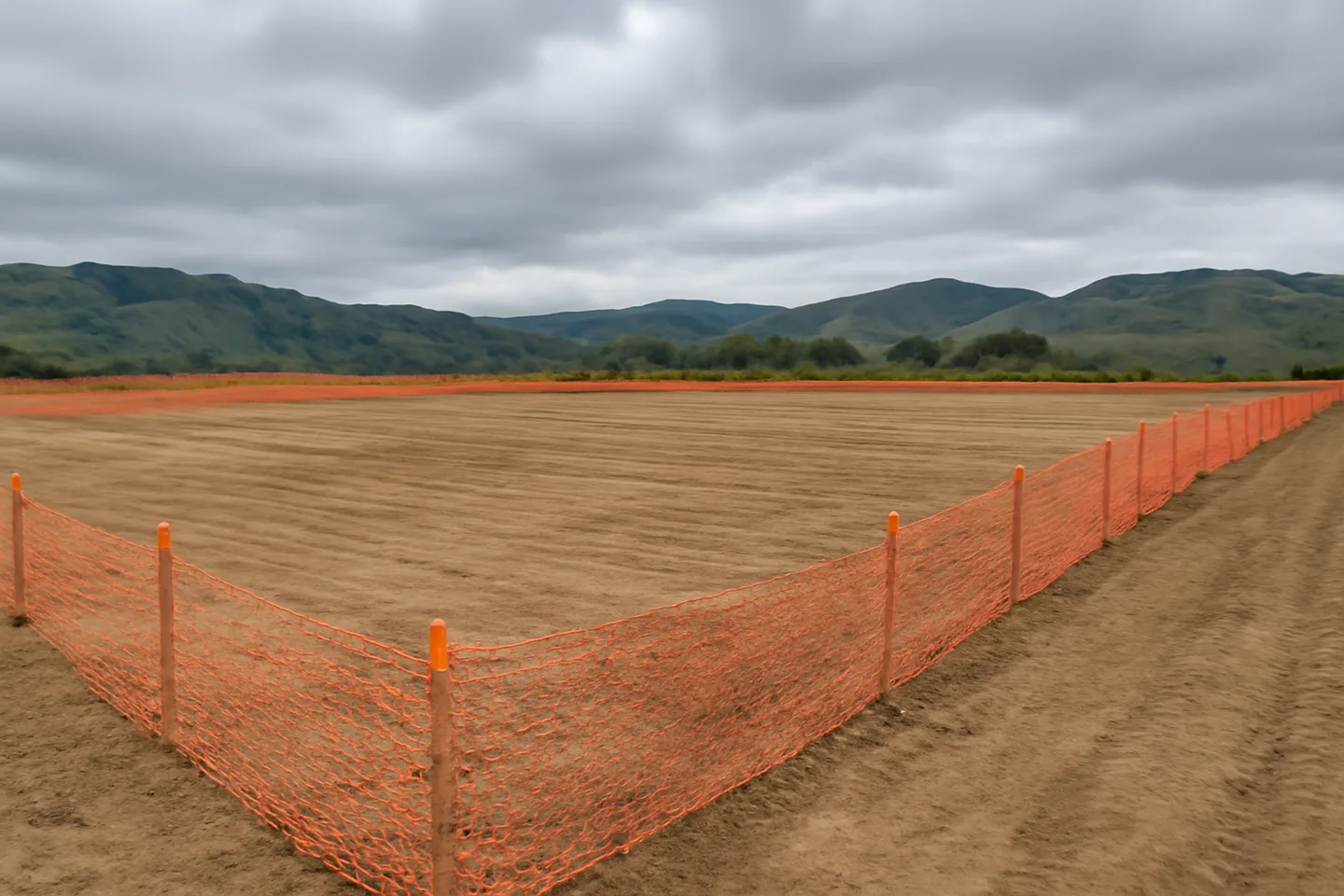
The biggest risk for a seller is signing a long due diligence period with weak earnest money. A developer who ties up your parcel for 180 days with only $5,000 down can walk away at the last minute, leaving you to restart the process. Negotiate a meaningful earnest money deposit, typically 1% to 3% of the purchase price per the Nevada Real Estate Division, and shorter due diligence windows where possible. Every month the land is under contract is a month you cannot entertain other offers.
The entitlement process itself is another major risk. If the developer cannot get zoning approval or a building permit, the deal often collapses. Some Nevada contracts use an option agreement where the developer pays non-refundable option money (typically $5,000 to $50,000 per 6-month period) for the exclusive right to buy while pursuing approvals. This structure is more seller-friendly because you keep the option money even if the deal fails. Consult a real estate attorney or commercial real estate consultant before signing either type of contract.
Due diligence contingencies are negotiable, but a sophisticated developer will always insist on feasibility study, title review, environmental testing, and financing contingencies. A clean Phase 1 Environmental Site Assessment is almost always required before closing, per EPA guidance. If your parcel has a history of agricultural use, old structures, or industrial neighbors, expect extra environmental scrutiny. You can speed this up by ordering your own Phase 1 before listing and sharing the clean report with buyers.
Price risk is the next concern. Developers use residual land value, so if construction costs rise during due diligence, they may come back and renegotiate the price. Protect yourself with a firm contract that limits re-trade opportunities. A real estate consultant who specializes in land transactions can review the purchase agreement for traps.
Finally, watch out for hidden costs in the sale of your property. Nevada's Real Property Transfer Tax is $1.95 per $500 at the state level, plus county surcharges. On a $500,000 land sale in Clark County, the tax totals about $2,550, usually split between buyer and seller. Commercial escrow fees run $1,500 to $5,000, and title insurance premiums run 0.5% to 0.75% of the sale price. Factor all of this into your net proceeds before accepting an offer. A good consultant can also evaluate whether the offer includes enough cushion for commercial space conversion costs if that is part of the developer's plan.
Frequently Asked Questions About Selling Land To A Developer
How much will a developer pay for land?
A developer typically pays 15% to 25% of the projected finished project value, per Urban Land Institute research. So if a developer plans a 100-unit apartment project worth $30 million when finished, they can pay $4.5 million to $7.5 million for the land. The exact number depends on construction costs, financing rates, developer profit targets, and entitlement risk. Well-located parcels in strong submarkets near Las Vegas or Reno command higher ratios than remote acreage.
How to avoid paying capital gains when selling land?
The most common strategy is a 1031 exchange, which lets you defer capital gains by reinvesting the proceeds into another investment property within 180 days. You must use a qualified intermediary to hold the funds. Primary residence exclusions do not apply to vacant land. Consult a tax advisor about installment sales, charitable remainder trusts, and opportunity zone investments if you want to maximize your profits. The right structure can save tens or hundreds of thousands in taxes.
Are the owners interested in selling their land?
If you own land in a growing Nevada submarket, there is almost always a developer somewhere interested in your parcel. The question is price. Many owners are willing to sell but only at a number that reflects the full development process and market trends. Land developers know this and will often test your interest with a lowball offer before making a serious one. Pay attention to current market trends in your area before deciding whether to accept any offer.
Can You Sell Land to a Developer Without a Solicitor?
In Nevada, yes. You do not need an attorney or solicitor to sell land to a developer. Most commercial land acquisition deals close through a title company or escrow agent who handles documentation and recording. That said, for complex deals involving option agreements, rezoning, or topography challenges, hiring a real estate attorney for a few hours of review is smart protection. Real estate professionals can also help you transform a raw land listing into a structured offering memorandum that attracts serious buyers.
Ready to Sell Your Land? Next Steps
Selling vacant land to a developer in Nevada takes patience, preparation, and a clear understanding of what makes your parcel valuable. The right match between landowners and developers can unlock significantly higher prices than retail sales, but the process is longer and the contracts more complex. If you are not interested in waiting 6 to 12 months for a developer deal to close, a direct cash buyer offers a simpler alternative that closes in as little as 2 weeks. Related reading: how to sell land without a realtor walks through the FSBO route. Request a free cash offer today and we will walk you through every option.
Need to sell your Nevada land? We buy land directly from owners for cash, with no fees, no commissions, and we close in as little as 2 weeks.
Sell Your Nevada Land for Cash
Ready to sell? We buy land directly from owners across Nevada. Get a fast, no-obligation cash offer.